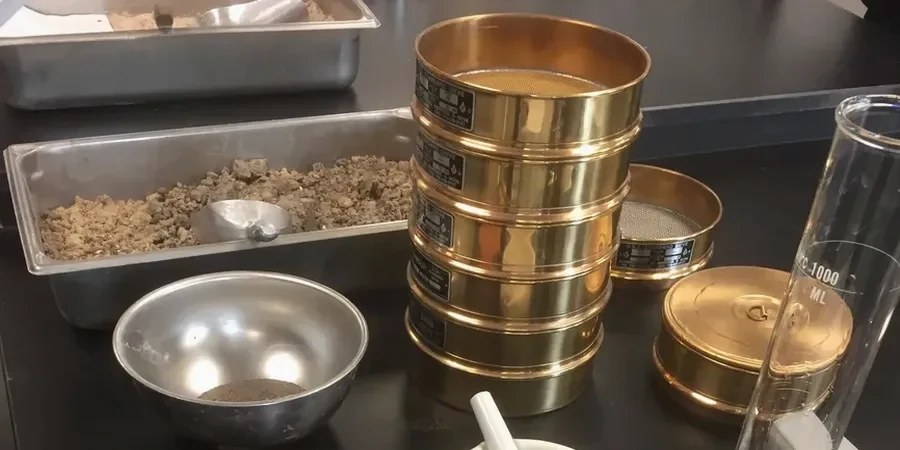
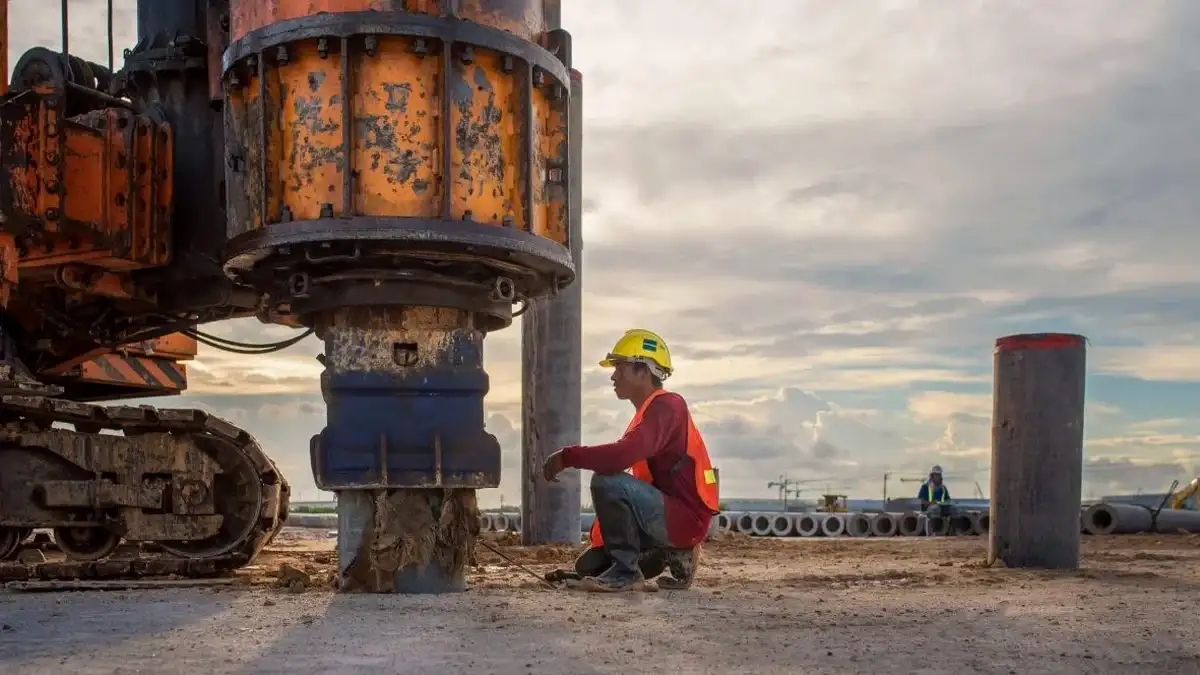
St. Catharines grew along the Welland Canal corridor, where early roadbuilders quickly discovered that the lacustrine silts and clays of the Niagara Peninsula do not forgive poor subgrade preparation. Each new industrial park, vineyard access route, or residential subdivision in the Garden City sits on glaciolacustrine deposits that demand precise bearing assessment. The laboratory CBR test provides that measurement under controlled moisture and density conditions, eliminating the weather dependency that frustrates field schedules from November through April. Our lab runs the test to ASTM D1883, delivering soaked and unsoaked CBR values that feed directly into the AASHTO 1993 pavement design method still referenced by local municipalities. For deeper stratigraphy confirmation we often pair results with SPT drilling data collected during the same site investigation phase.
A 2% subgrade CBR in St. Catharines clay means 300 mm of additional granular base compared to a 10% CBR soil: the lab number directly controls project cost.