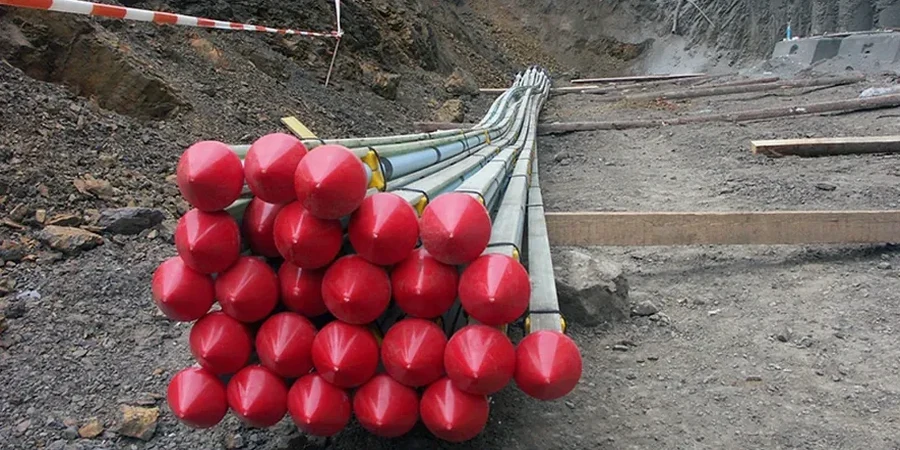
In St. Catharines, the most overlooked detail in a shoring design is the long-term relaxation of the bonded length in the Queenston shale. We see it all the time—anchors that test perfectly at 28 days but lose 15% of lock-off load after two winters. The culprit is usually a poor understanding of the shale’s diagenetic microfractures, which open under cyclic pore pressure near the Lake Ontario escarpment. A standard 10-foot bond zone in silty clay till won’t perform the same near the Merritton Tunnel as it does up on the Escarpment brow. That’s why our team insists on sacrificial anchor testing to 133% of the design load before finalizing bond lengths. For anyone dealing with deep cuts along Highway 406, we often pair the anchor design with a slope stability analysis to rule out global wedge failure behind the wall, especially where the Whirlpool sandstone dips unfavorably.
A well-designed anchor in St. Catharines is one that accounts for the relaxation of the Queenston shale, not just its peak bond stress.